
How to Build the Perfect Sandwich
Building a great sandwich is less about the recipe and more about the order of operations.
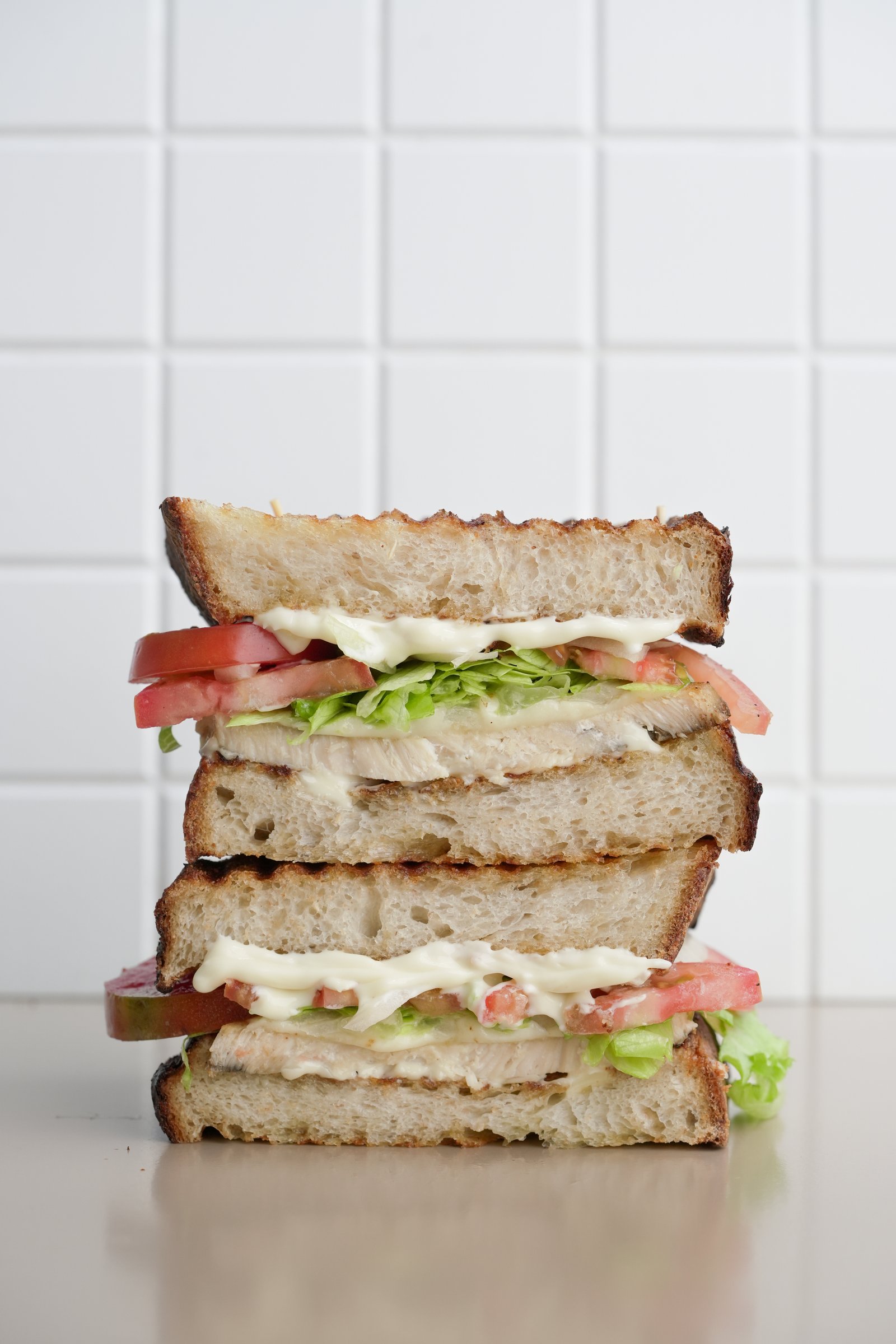
Two people can use identical ingredients and produce very different sandwiches. The difference is method. Here is the sequence the lab uses, and why each step is where it is.
Step 1 — Choose and toast the bread
Match the bread to the filling — sturdy sourdough for heavy builds, soft brioche for rich ones — and toast it so it resists moisture and adds crunch.
Step 2 — Sauce both faces
Spread sauce on both inner surfaces of the bread. This seasons every bite and creates a light barrier that slows sogginess from juicy fillings.
Step 3 — Layer for structure
Place cheese against warm meat so it melts, keep wet ingredients like tomato away from the bread, and put crisp leaves where they add crunch without being crushed.
Step 4 — Balance, then eat fresh
Taste in your head: is there acid to cut the fat, crunch against the soft, salt against the fresh? Adjust, then eat it while the bread is still crisp.
Frequently asked questions
QWhat is the correct order to build a sandwich?
A reliable order starts with the bread and works inward. First, choose a bread that matches the filling and toast it. Next, spread sauce on both inner faces, which seasons every bite and forms a light barrier against moisture. Then place cheese directly against any warm meat so it melts into it. Layer sturdier, drier ingredients closest to the bread and keep wet ingredients such as tomato toward the centre, away from the crust, so the base does not go soggy. Add crisp leaves where they will provide crunch without being crushed. Finally, close, press gently and eat it fresh. This sequence protects the bread, distributes flavour evenly and keeps the textures distinct.
QHow do you keep a sandwich from getting soggy?
Sogginess comes from moisture soaking into the bread, so the whole strategy is to keep water away from the crumb. Start by toasting the bread, which firms the surface and slows absorption. Spread a layer of sauce or a thin barrier like cheese directly on the bread to seal it before wet ingredients touch it. Position the juiciest items — tomato, pickles, saucy meats — in the middle of the sandwich rather than against the bread. If you are packing a sandwich to travel, keep especially wet components slightly separated or well drained. And whenever possible, eat it fresh, because time is the real enemy. These steps are exactly why made-to-order sandwiches, toasted and assembled on the spot, hold up so much better.
Taste the theory
Reading about sandwiches is fun. Eating one is better — order from your nearest Bali lab on GoFood or GrabFood.
See the menu →