
Why Fresh Bread Makes All the Difference
You can build a sandwich from the finest fillings on earth and still ruin it with tired bread.
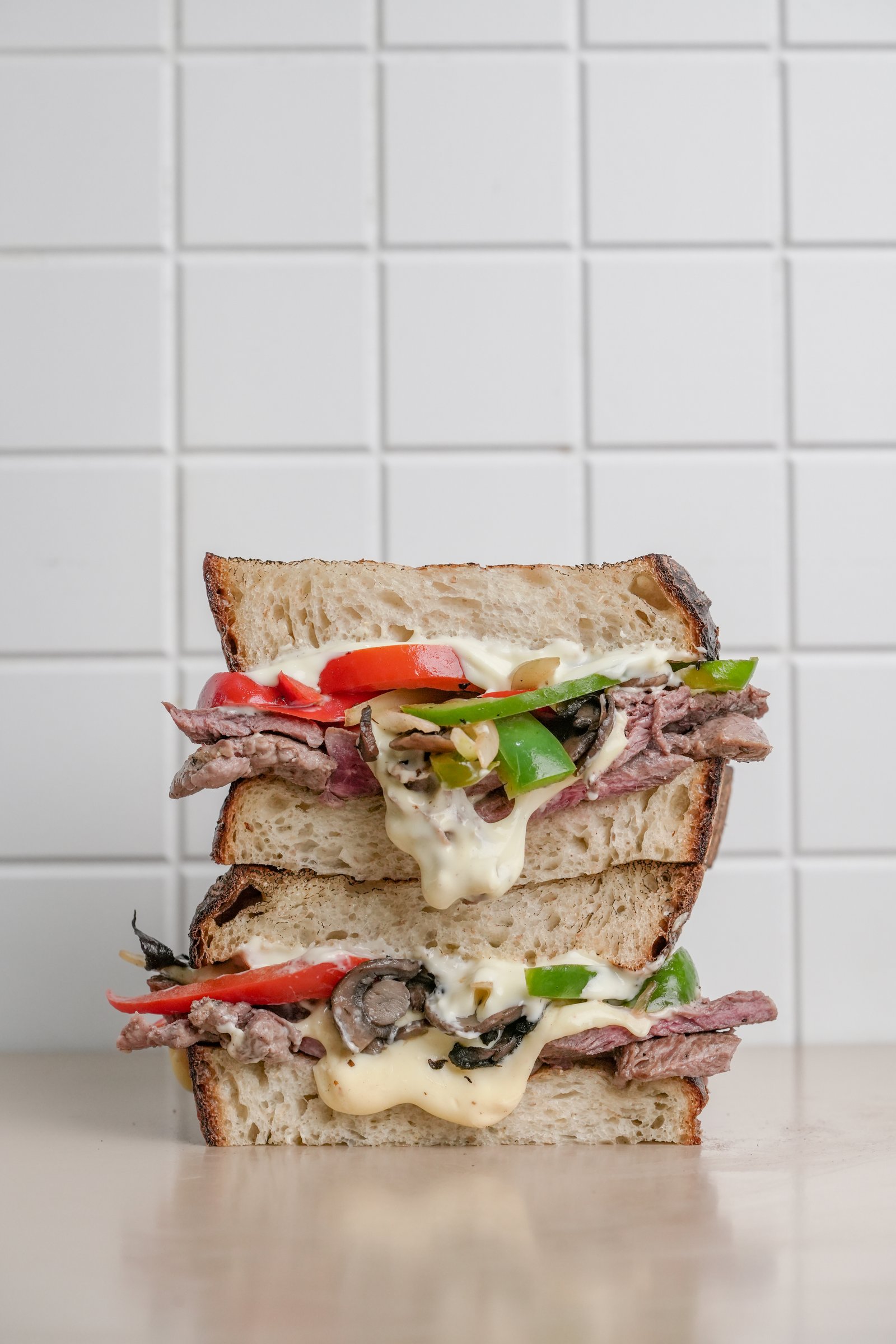
If you only upgrade one thing about a sandwich, upgrade the bread. By volume it is usually the largest ingredient, and it is the part your hands and mouth touch first. Fresh bread is not a detail — it is the foundation.
Structure that holds up
Fresh bread has an intact crumb and a crust with a little resistance. That structure stops sauce and juices from turning your lunch into a soggy handful. Day-old bread has already begun to collapse before the fillings arrive.
Toasting changes everything
Heat firms the surface so it resists moisture, and it develops flavour through browning. A toasted sourdough or brioche gives you that first crunch and a warm, nutty note plain bread cannot.
Bread and filling should match
Sturdy sourdough carries heavy, saucy fillings like steak or pastrami. Soft, slightly sweet brioche flatters richer builds like a beef patty or tuna melt. Choosing the right bread for the job is half the recipe.
Frequently asked questions
QWhat is the best bread for a sandwich?
There is no single best bread — the right choice depends on the filling. Sturdy, open-crumbed breads like sourdough are ideal for heavy, saucy sandwiches such as steak or pastrami because they hold up without going soggy. Soft, slightly sweet breads like brioche suit richer or more indulgent builds, like a beef patty or a tuna melt, where you want a tender bite. What matters in every case is that the bread is fresh and, ideally, toasted, so it has structure and a little crunch. At Sandwich Lab we build on both sourdough and brioche and match each one to the sandwich it serves best, rather than using a single loaf for everything.
QWhy do you toast the bread on a sandwich?
Toasting does two important jobs. First, it firms and slightly dries the surface of the bread, creating a barrier that resists the moisture from sauces, tomatoes and juicy fillings — which is what keeps a sandwich from going limp before you finish it. Second, the heat triggers browning reactions that develop deeper, nuttier, more savoury flavour you simply cannot get from untoasted bread. Toasting also adds textural contrast: a crisp exterior against soft, warm fillings makes every bite more interesting. The catch is timing, because toasted bread is at its best fresh, which is why we toast to order rather than in advance. Done right, toasting is one of the highest-impact steps in the whole build.
Taste the theory
Reading about sandwiches is fun. Eating one is better — order from your nearest Bali lab on GoFood or GrabFood.
See the menu →