
The History of the Sandwich
People wrapped food in bread long before anyone called it a sandwich.
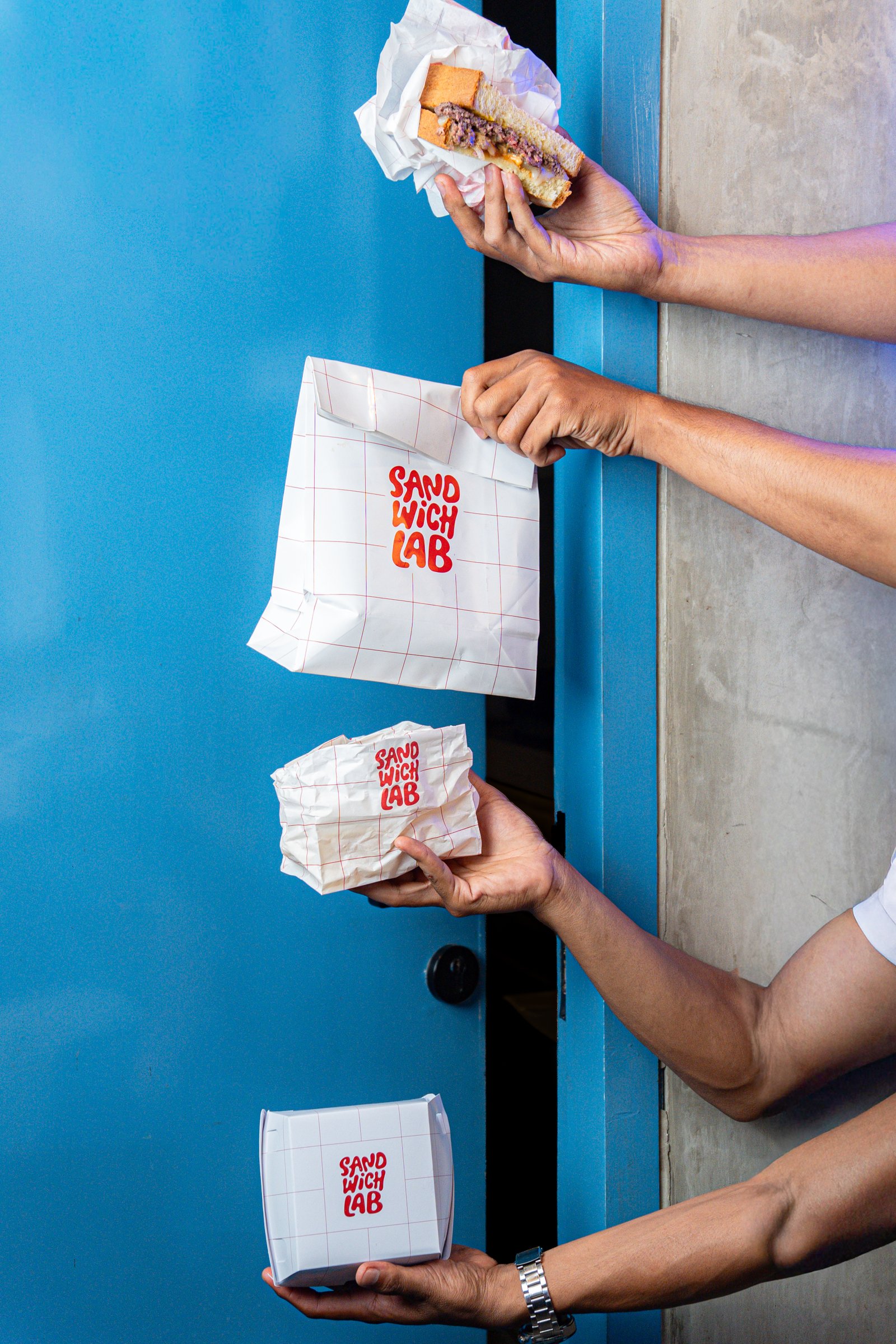
The history of the sandwich is far older than its name. Wrapping or topping bread with food is one of the oldest eating habits there is; the word simply gave a very old idea a convenient label.
The history of the sandwich before the name
Ancient cultures across the Mediterranean and Middle East ate fillings on and inside flatbreads for practicality — no cutlery, no plates, just food you could carry and eat with your hands.
The 18th-century label
The popular story credits John Montagu, the Earl of Sandwich, whose request for meat between bread so he could keep working gave the format its English name in the 1700s.
A global format
Today almost every cuisine has a version. The idea travelled because it solves a universal problem — good food, eaten anywhere.
Frequently asked questions
QWho invented the sandwich?
No single person truly invented the sandwich, because people have been eating fillings on and inside bread for thousands of years, long before the word existed. However, the English name is traditionally credited to John Montagu, the 4th Earl of Sandwich, in the 18th century. The popular account says he asked for slices of meat served between bread so he could eat without leaving his activities or dirtying his hands, and the format took his title. What he really "invented" was not the food itself but a fashionable name and a moment of popularity for an idea that already existed across many cultures. So the honest answer is that the sandwich was named, rather than invented, by the Earl of Sandwich.
QHow old is the sandwich?
The concept is ancient — far older than the English word for it. Long before the 18th century, cultures across the Mediterranean, the Middle East and beyond ate meats, vegetables and spreads on and inside flatbreads as a practical, hand-held meal. One frequently cited early example is the practice of eating fillings folded into unleavened bread during ancient meals. So while the specific two-slice, English-named "sandwich" dates to the 1700s, the underlying idea of bread-plus-filling stretches back thousands of years. That longevity is telling: the format survived because it solves a universal problem elegantly, offering good food that is portable, quick and needs no plates or cutlery. It remains one of the oldest and most durable food formats there is.
Taste the theory
Reading about sandwiches is fun. Eating one is better — order from your nearest Bali lab on GoFood or GrabFood.
See the menu →