
What Makes a Great Sandwich?
Everyone has eaten a forgettable sandwich. A great one is never an accident — it is the result of five deliberate choices.
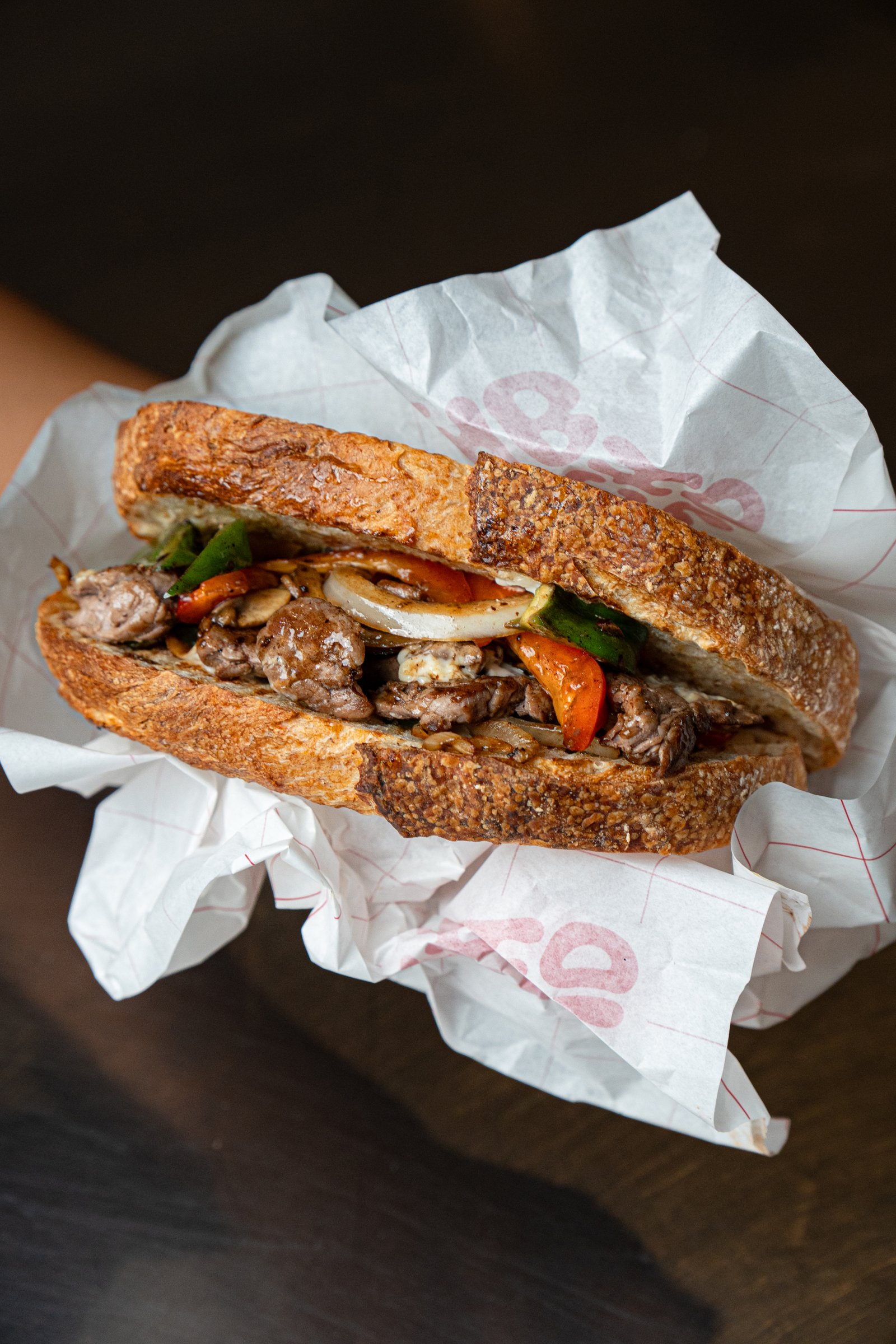
Ask ten people what makes a great sandwich and you get ten answers. Behind the opinions, though, sits a consistent structure. At Sandwich Lab we build to five principles, and once you notice them you cannot un-notice them.
1. The bread does half the work
Bread is not packaging — it is an ingredient, usually the biggest by volume. Great bread is fresh, has a crust with some resistance, and is toasted so it holds sauce without turning to paste. Get the bread wrong and nothing inside can save it.
2. Balance beats abundance
A great sandwich is not the one with the most stuff in it. It is the one where salty, acidic, fatty and fresh all arrive in the right proportion. A slice of pickle or a spoon of mustard exists to cut richness, not to fill space.
3. Texture, quality and timing
Soft on soft is boring; the best bites pair crunch with tender. You cannot hide a cheap filling behind a good sauce, so the raw ingredient has to be worth tasting. And because a sandwich starts fading the moment it is built, made-to-order assembly is the final principle that ties the other four together.
Frequently asked questions
QWhat is the most important part of a sandwich?
The bread is the single most important part. In most sandwiches it is the largest ingredient by volume, and it is the first thing your hands and mouth make contact with, so it sets the texture of every bite. Fresh, well-toasted bread gives structure that holds the fillings and sauces instead of collapsing into a soggy handful. Even outstanding fillings feel disappointing on tired, untoasted bread. That is why, at Sandwich Lab, bread is toasted to order on either sourdough or brioche depending on the build. If you only upgrade one thing about any sandwich you make at home, upgrade the bread first — everything else improves around it.
QHow do you make a sandwich taste better?
Start with balance. Most home sandwiches taste flat because they are missing acidity, so add pickles, mustard, or a squeeze of something sharp to cut through the fat and wake up the other flavours. Next, build in texture by keeping at least one element crisp — toasted bread, crunchy lettuce, or pickled vegetables — against the soft, melting parts. Use fewer but better fillings rather than piling everything in; quality is tasted directly and cannot be faked with volume. Finally, assemble and eat it fresh, because bread softens and warmth fades quickly. Those four moves — acidity, contrast, quality and freshness — reliably turn an average sandwich into a memorable one.
Taste the theory
Reading about sandwiches is fun. Eating one is better — order from your nearest Bali lab on GoFood or GrabFood.
See the menu →